Belt and Disc Sander Buying Guide: Belt, Disc and Motor
How to choose a belt or disc sander: belt length and width, disc diameter, motor power, combination design and worktable for deburring, chamfering and surface finishing.
Belt Size and Disc Diameter
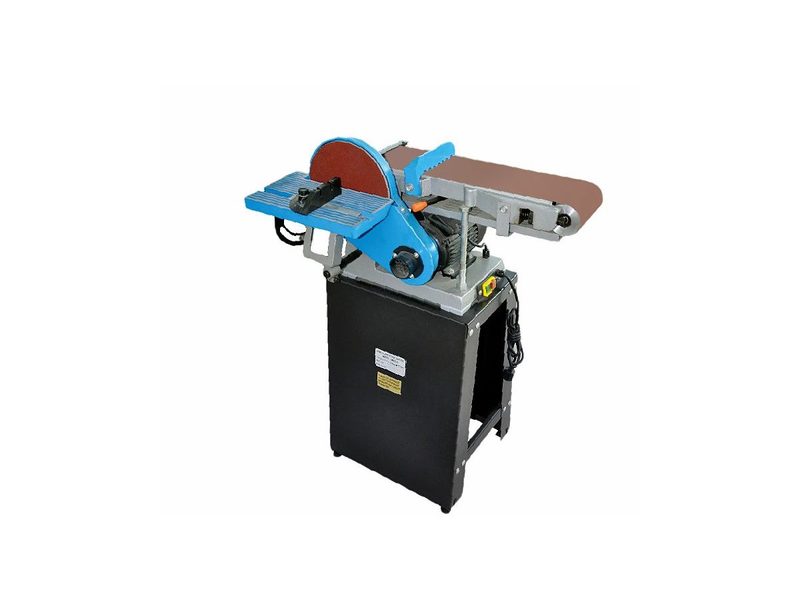
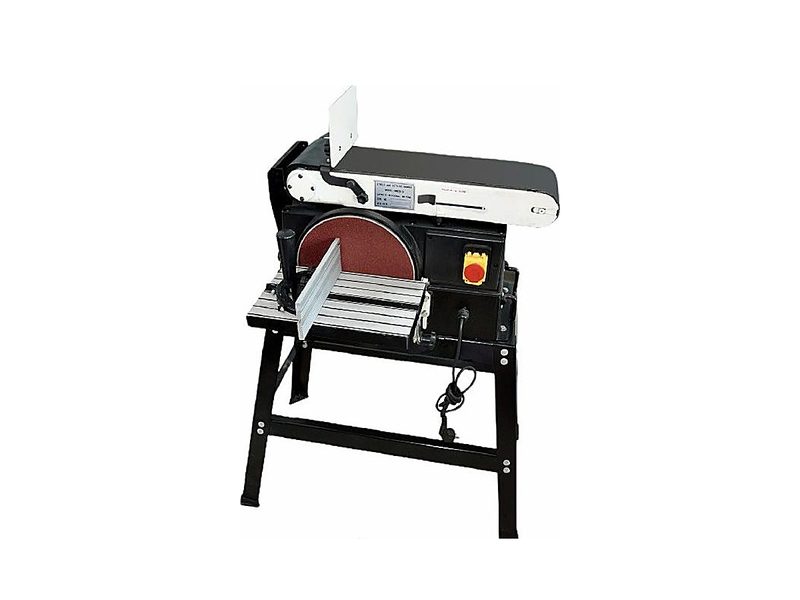
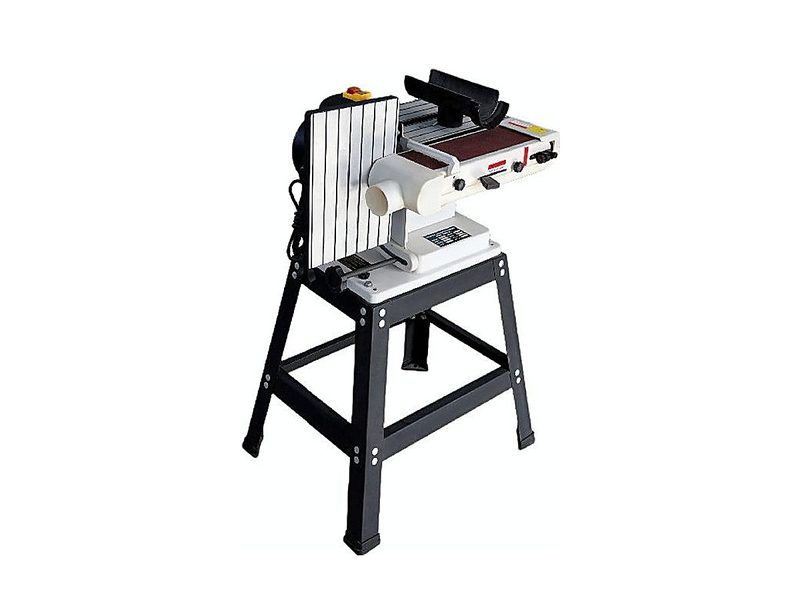
The belt dimensions set the contact area for long flats and edges; the disc handles fast flat finishing and shaping. The W436 uses a 100x914 mm belt for light deburring; the W2315 runs a 150x1219 mm belt with a 228 mm disc; the W2515 pairs a 152x1219 mm belt with a 254 mm disc for heavier finishing.
Combination Belt + Disc Design
A combination belt and disc sander covers both long-edge work and face finishing on one machine, saving bench space. WIST models combine an upright belt with a side disc; the W436 is a horizontal and vertical combination sander with an adjustable side table, letting you position parts for different angles.
Motor Power and Material
Motor output should match your material and removal rate. The W436 uses a 370 W motor for light deburring and polishing; the W2315 runs 550/750 W; the W2515 uses a 750 W motor for efficient deburring, chamfering and surface finishing on metal and wood.
Worktable and Adjustable Support
An adjustable worktable supports the workpiece at the right angle for chamfering and flat finishing; check table size and tilt range, and whether the belt and disc speeds are adjustable for different grits and materials.
Surface Finishing Tasks
Belt and disc sanders handle deburring, edge chamfering, weld dressing, rust removal and final surface finishing before painting or machining. Send us your material, workpiece size and finish target, and we will recommend the right sander with a FOB quote within 24 hours.
FAQ
They do different geometry. The belt handles long flats, edges and contoured work where the sanded face is longer than the belt width; the disc removes material fast on end faces and small areas and is the better tool for chamfering and squaring a corner. The combination machines built by WIST give you both on one base, which is why most workshops buy the W2515 rather than two separate units.
Belt length is what determines how much flat surface you can sand in one pass, and width limits how wide a part fits. The W436 uses a 100x914 mm belt for light deburring, the W2315 a 150x1219 mm belt with a 228 mm disc, and the W2515 a 152x1219 mm belt with a 254 mm disc. Buy the widest belt your typical workpiece justifies - a narrow belt on wide plate means many passes and an uneven finish.
It handles steel at the finishing end of the process, not at the stock-removal end. A 370 W machine such as the W436 is for light deburring and polishing; the 550/750 W W2315 and the 750 W W2515 hold up better to weld dressing and continuous chamfering on metal. The limit is heat and pressure at the contact point, not the motor badge - light passes, fresh grit and no heavy leaning on the belt.
Start coarse enough to remove the defect, then step one grit at a time rather than jumping two. A practical sequence for steel is 40-60 grit for deburring and weld dressing, 80-120 for blending and preparing to paint, and finer only when the surface finish is the deliverable. Cross the scratch direction between grits, and clean the belt before changing grit so coarse particles do not carry over.
Tracking is a setting, not a fault. If the belt runs to one side, adjust the tracking screw on the idler roller in small increments while the machine runs, and check that belt tension is even across the width. A belt that still wanders usually has a worn or seized idler bearing, or a belt that has stretched unevenly. Keep the platen clean and never run a belt with a frayed edge - it will track off no matter how you adjust it.
Not sure which machine fits your job?
Send us your workpiece details and target budget — our export team will reply within 24 hours.