How to Choose a CNC Machine for Metal Work: A Practical Buyer's Guide
Choose the right CNC machine for metal work by matching part material, batch size, accuracy and budget. Compare CNC lathes, mills, machining centers and desktop CNCs with a buyer checklist.
Start with the Application, Not the Machine
The best CNC for a structural-steel fabricator is not the same as the right machine for a technical school, R&D lab or small job shop. Before comparing brands, answer four questions: what material are you cutting, what part geometry dominates, what batch size do you run, and what accuracy and surface finish do you require? Those answers determine whether you need a CNC lathe, a CNC mill, a machining center or a compact desktop CNC.
Match the Machine Type to the Job
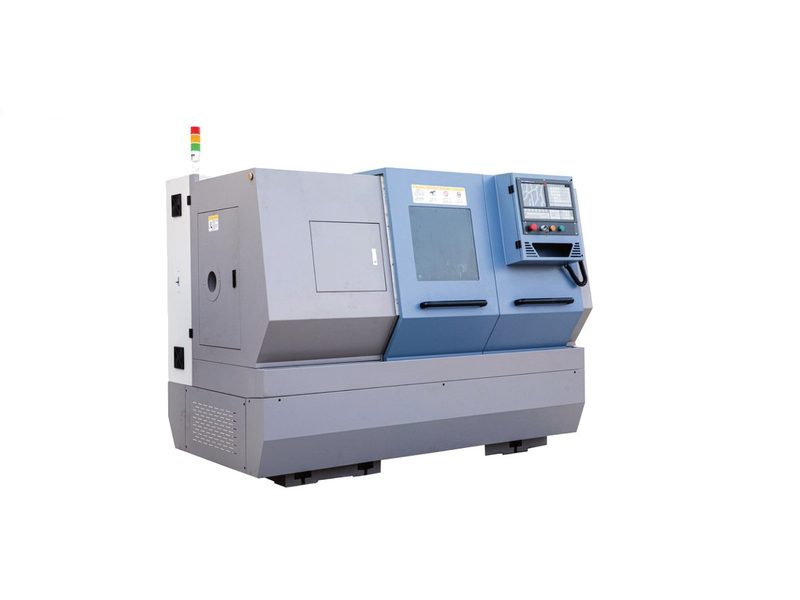
- CNC lathe / turning machine: best for cylindrical parts — shafts, pins, bushings, flanges and threaded work; compare swing over bed, spindle speed, chuck and tailstock options and turret stations. See the CNC lathe vs manual lathe guide.
- CNC mill / machining center: best for prismatic parts such as plates, brackets, housings and molds; compare X/Y/Z travel, spindle speed and taper, tool change and fixturing.
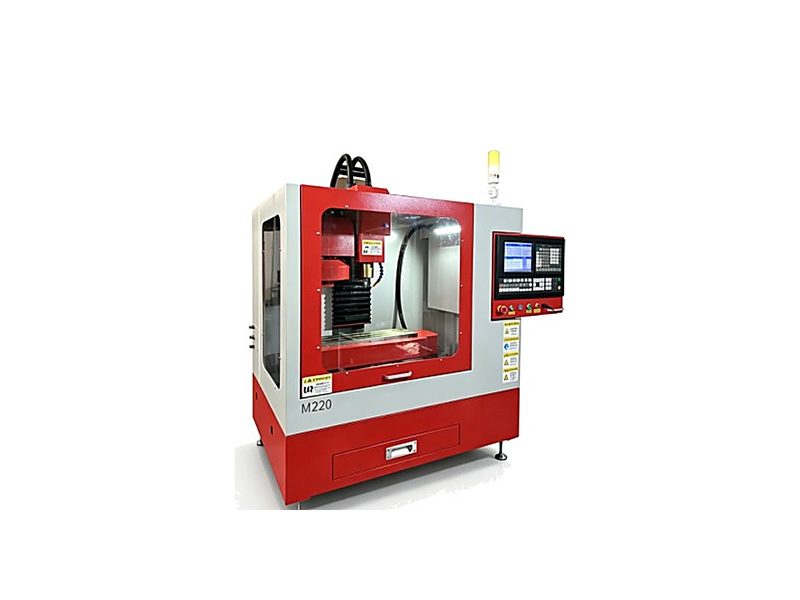
- Desktop CNC: ideal for prototypes, teaching and small soft-metal parts; check footprint, rigidity for the chosen material, ease of use and maintenance access.
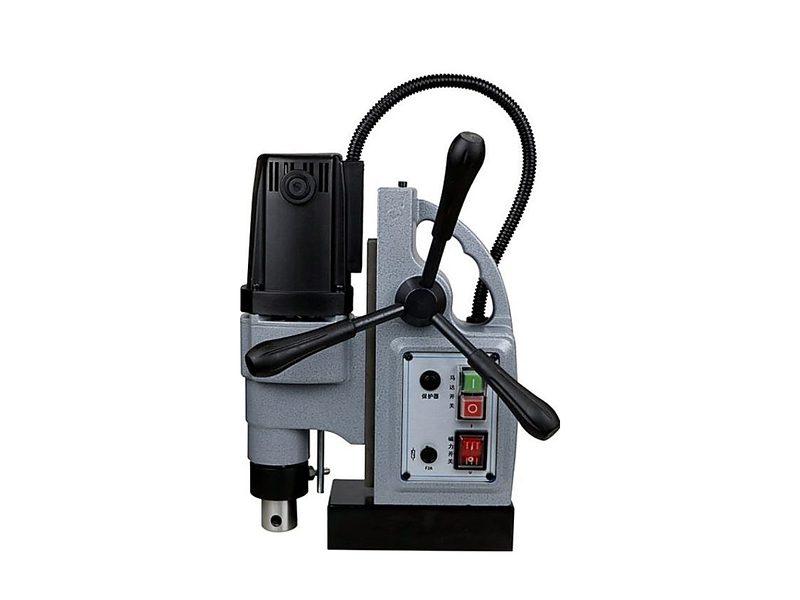
- Supporting equipment: a magnetic base drill for on-site hole drilling on steel, and a metal band saw for cutting bar and tube stock before machining.
Key Specifications to Compare
- Capacity and travel: lathe swing-over-bed / max length and mill X/Y/Z travel must fit your largest part with headroom.
- Spindle performance: high RPM matters for finish, but steel and stainless work also need usable low-end torque.
- Control system: Fanuc, GSK, Siemens-compatible or entry-level conversational controls, chosen to match operator skill and upgrade plans.
- Rigidity and build quality: hardened and ground guideways, heavy frames and quality ball screws drive long-term repeatability.
- Fixturing and tooling: chuck size, collets, vise options and tool holders affect real-world productivity.
- Support and spares: after-sales response, spare-parts availability, warranty and service matter as much as purchase price.
Checklist by Common Use Case
Machine shop / small production: prioritize rigidity, repeatability and reliable controls; choose size and power for your recurring parts and main materials, and confirm chuck, tailstock and fixturing options.
Technical school / CNC training lab: favor safe, easy-to-operate machines that teach real CNC principles; mix a desktop CNC or compact mill with a small CNC lathe and supporting magnetic drill or band saw for a balanced lab set.
R&D and prototype work: emphasize compact flexibility, fast setup and easy programming; verify the machine holds your target tolerance and finish on sample parts before buying.
Common Buying Mistakes to Avoid
- Buying too large for your budget or floor space; buy to your largest recurring part, not the hypothetical maximum.
- Buying too small for the material; a light desktop machine will underperform on steel production work.
- Ignoring service, spare parts and warranty; a low-price unsupported machine becomes expensive during downtime.
- Neglecting tooling and fixturing; the machine alone does not produce production-ready parts.
- Skipping sample-part testing before purchase, especially for tolerance-sensitive applications.
How WIST Machinery Can Help
WIST Machinery, based in Yangzhou, China, supplies compact and small-to-medium machine tools for metalworking education, training labs, job shops and distributors worldwide. The lineup includes the CK6432 CNC Lathe, the W20 CNC Milling Machine, the M220 Desktop CNC, the W35C-1 Magnetic Base Drilling Machine, the CM6241 Manual Lathe and metal band saws. Machines are CE certified, supported by OEM/ODM customization and a 12-month warranty, and exported worldwide.
The right CNC machine for metal work reliably fits your parts, materials and throughput without overbuying. Define the application first, compare machine types on the specs that matter, use the use-case checklist, and verify with sample parts. Send your part drawings, batch sizes and target cycle time to WIST for a free recommendation and factory quote.
Not sure which CNC machine fits your shop?
Send us your part drawings and batch sizes — our export team will reply within 24 hours.