How to Choose the Right CNC Milling Machine for Your Workshop
A practical guide to choosing a CNC milling machine or vertical machining center: table size, spindle, control system, budget and after-sales support.
CNC Milling Machine vs. Machining Center: Know What You Are Buying
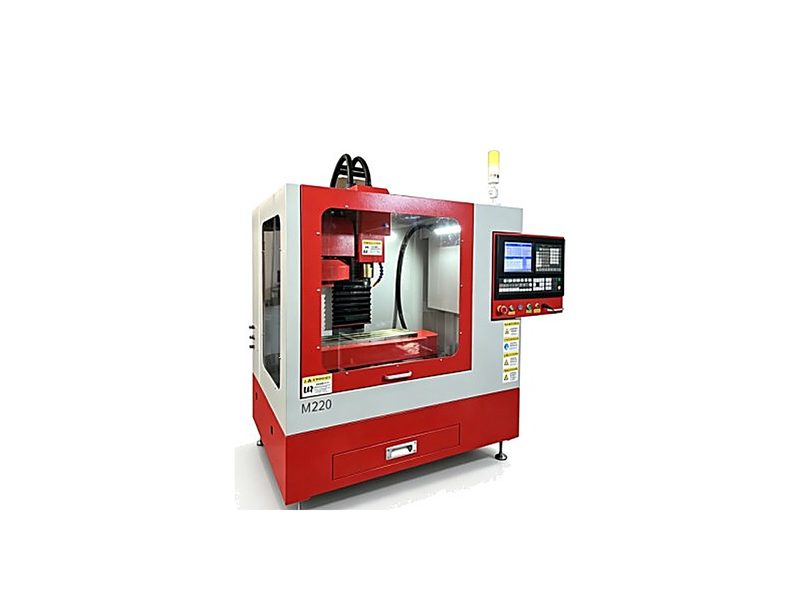
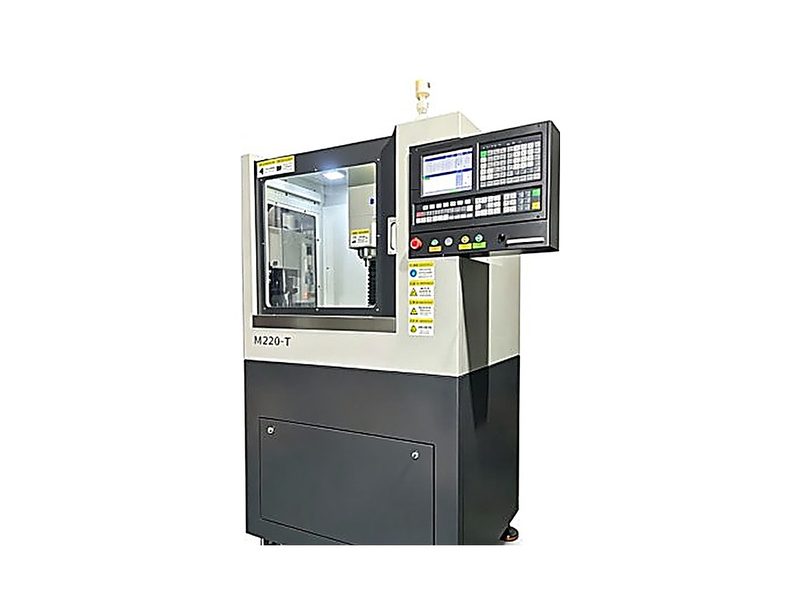
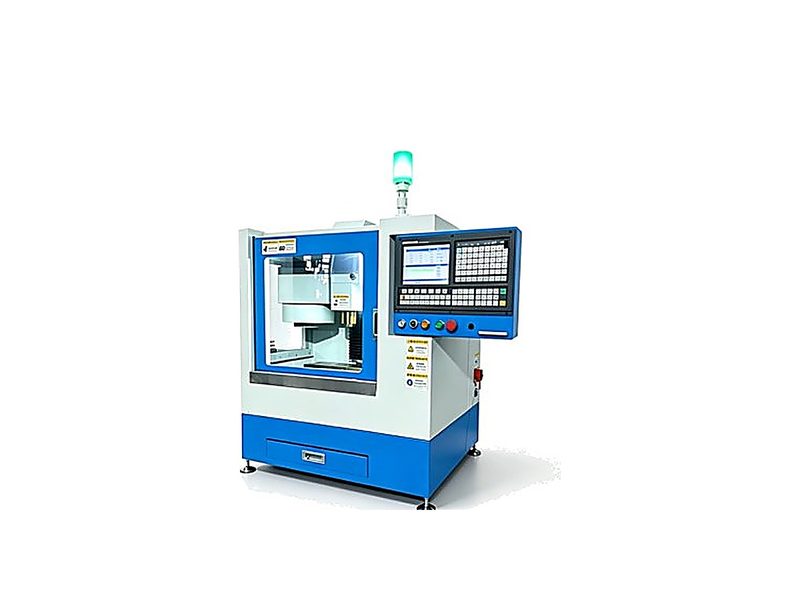
Many first-time buyers use "CNC milling machine" and "machining center" interchangeably, but they are different classes of machine. A compact CNC milling machine (for example the WIST W20 or W25) is a bench or small-column machine with stepper or servo drives, ideal for small batches, tooling, education and prototype work. A vertical machining center (VMC) such as the W540, W650 or W1580 is a production machine with a rigid one-piece cast-iron structure, an automatic tool changer option, higher spindle speeds and far greater metal removal rates.
Start by asking what your parts look like: material, size, batch quantity and tolerance. If you machine aluminum and steel parts under 300 mm in small batches, a compact CNC mill may be enough. If you run continuous production of medium-size parts, a VMC will pay for itself in speed and repeatability.
Five Specifications That Decide the Right Machine
1. Table size and axis travel
Your workpiece must fit on the table with room for clamps, and the X/Y/Z travel must cover the cutting area. A W1160 with 1100 x 600 x 600 mm travel handles medium-size mold and production parts; a W1580 with 1500 x 800 x 800 mm travel handles larger plates and heavy cutting.
2. Spindle speed and taper
For aluminum and plastics you want a higher speed spindle (8000 r/min or more). For steel and cast iron, torque matters more than maximum speed. Taper matters for tooling compatibility: BT40 is common for light to medium machining, BT50 for heavy cutting. The W1580 runs a 6000 r/min BT50 spindle with a Taiwanese-brand spindle unit for high rigidity.
3. Control system
Your operator's experience determines the control choice. GSK (Guangzhou) and KND are economical, reliable systems widely used in Asia and Africa. FANUC, SIEMENS and MITSUBISHI are preferred where local support and part-program compatibility are critical. WIST ships machines with GSK or KND as standard and can install FANUC, SIEMENS or MITSUBISHI on request.
4. Motor power and weight
More spindle kilowatts mean faster roughing; more machine weight means better rigidity and surface finish. Compare the main motor (e.g. 11/15 kW on the W1160, 15/18.5 kW on the W1580) together with the machine's total weight, not the motor alone.
5. After-sales support
A CNC machine is a long-term investment. Check that the supplier provides English manuals, installation videos, a commissioning guide and remote support by WhatsApp, email or WeChat. A 12-month warranty and spare parts availability matter more than a slightly lower price.
Budget Realistically
Besides the machine itself, plan for: tooling and holders, workholding, a power supply matching your local voltage (WIST offers 220V/380V/415V options), coolant, training time and shipping. A good rule is to reserve 10-15% of the machine budget for tooling and accessories.
If you are not sure which model fits your parts, send us your drawings and material list. We will recommend a model, a tooling package and a FOB price within 24 hours.
Not sure which machine fits your job?
Send us your workpiece details and target budget — our export team will reply within 24 hours.