Bench Lathe Buying Guide: What to Look For Before You Order
How to choose a bench lathe or mini lathe for turning work: swing, center distance, spindle bore, thread cutting and accessories explained for buyers.
Swing and Center Distance Define the Machine Size
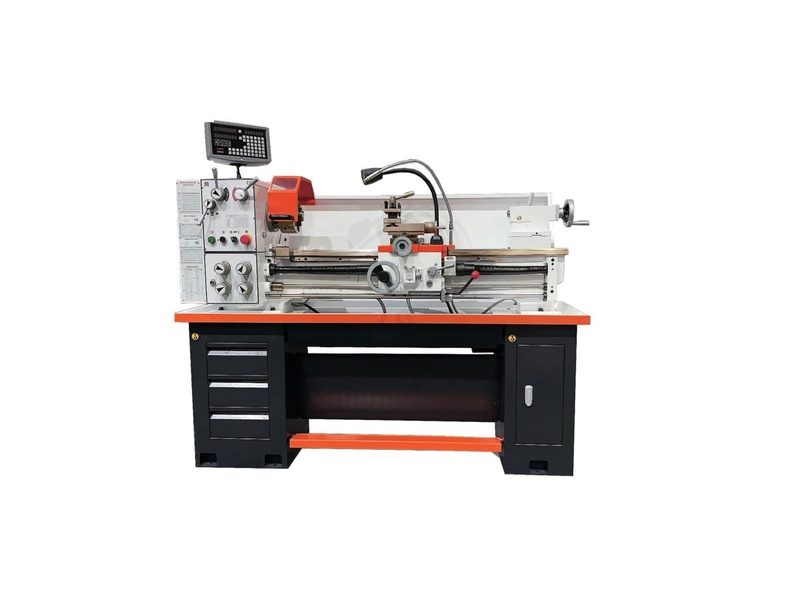
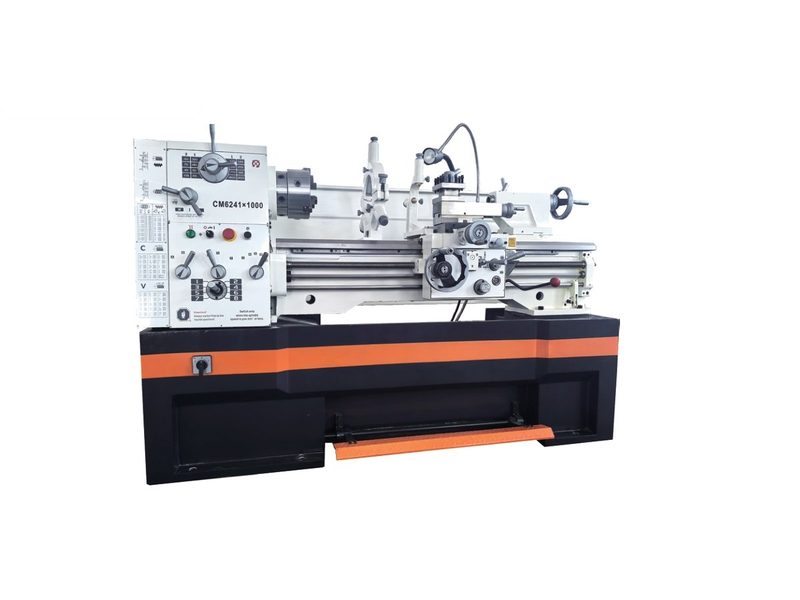
Two numbers describe a lathe's capacity: the swing over bed (the largest workpiece diameter it can turn) and the distance between centers (the longest workpiece it can hold between headstock and tailstock). A W310X610 swings 310 mm over the bed with 610 mm between centers; the W360V swings 360 mm with 1000 mm between centers. Measure your largest typical workpiece and add margin for chuck and steady rest.
Spindle Bore and Chuck Size
The spindle bore decides the maximum bar diameter you can feed through the headstock. For bar work, choose a bore at least 10-20% larger than your bar stock. Chuck size follows the spindle nose (D1-4, D1-5, D1-6...). A 3-jaw chuck is standard for round work; a 4-jaw independent chuck handles square and irregular workpieces.
Speed Range and Threading
A gear-head lathe with a wide speed range covers both roughing at low speed and fine finishing at high speed. If you cut threads, check the metric and imperial thread chart on the gearbox — the number of pitches determines the range of threads you can cut without changing change gears.
Bench vs. engine lathe
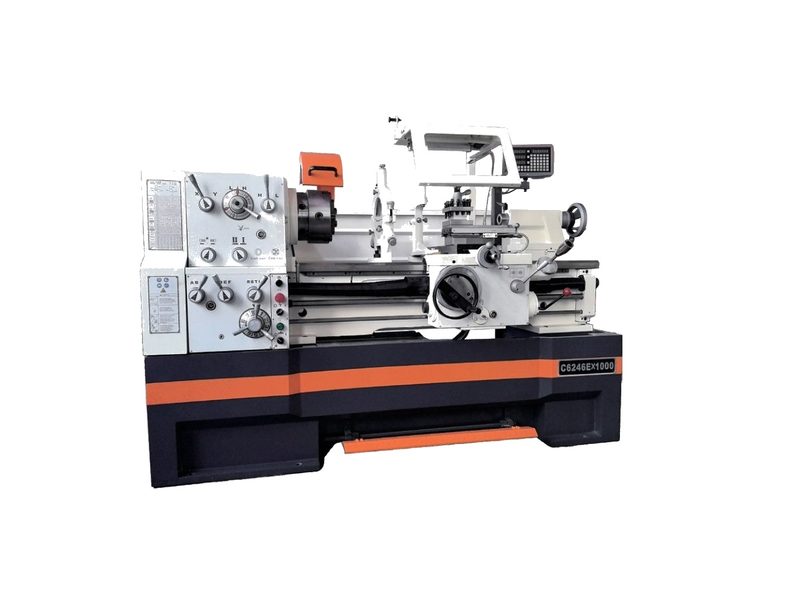
Bench lathes (up to about 360 mm swing) suit workshops, teaching and light production. Engine lathes (460 mm swing and up, like the W460E, W510, W560E and W660) are floor-standing machines with larger bores, higher power and full threading capability. Choose according to your workpiece size and production volume.
Quality Signs You Can Check in the Specification
Look for: hardened and precision-ground bed ways (the WIST bed rails are quenched and ground), precision tapered roller bearings for the spindle, an all-geared headstock with hardened gears, a removable gap for large-diameter flange work, and a cam-lock spindle nose for quick chuck changes on larger models.
Accessories to Budget For
Standard packages usually include a 3-jaw chuck, 4-jaw chuck with backplate, face plate, steady rest, follow rest and coolant system. Popular options are the quick-change tool post, digital readout (DRO), taper turning attachment and work light. Buying a full accessory package with the machine is almost always cheaper than sourcing parts separately.
Send us the dimensions and weight of your workpieces, and we will recommend the right lathe with a complete accessory list and FOB quote within 24 hours.
Not sure which machine fits your job?
Send us your workpiece details and target budget — our export team will reply within 24 hours.